
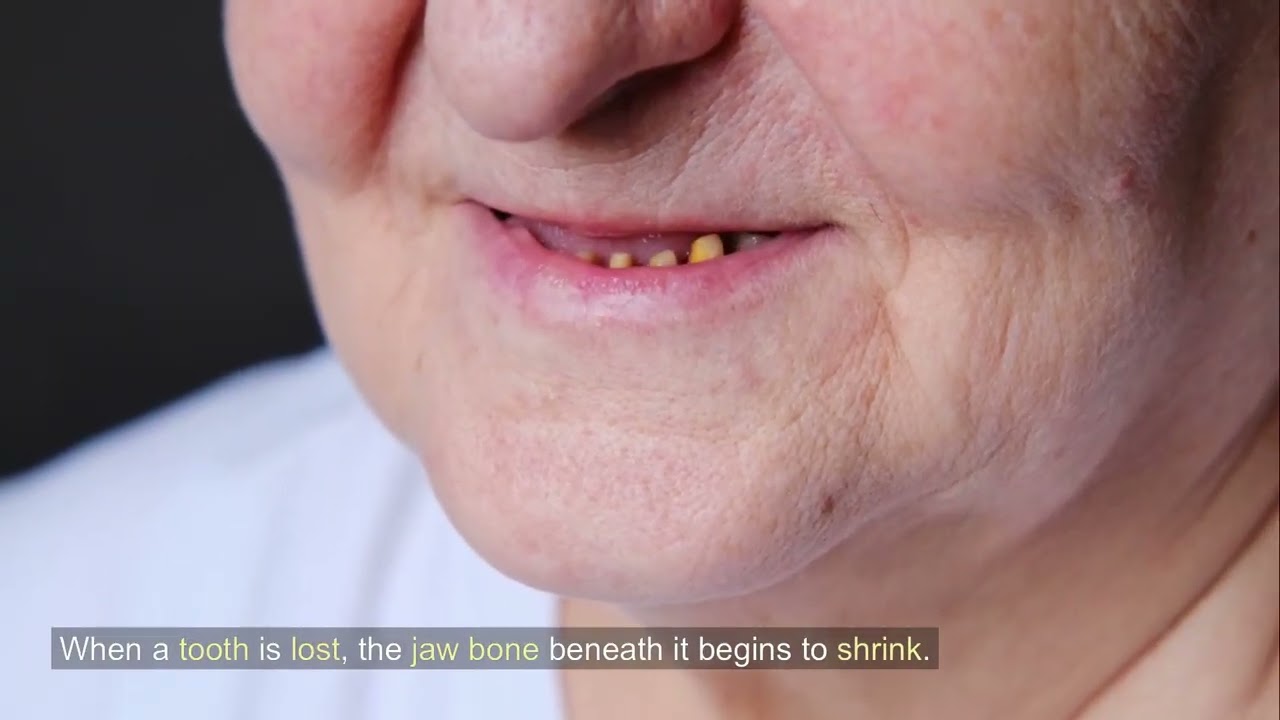
Bone grafting before dental implants is a preparatory surgical procedure that rebuilds lost jaw bone so an implant has a stable, dense foundation to anchor into. Without enough bone volume, an implant cannot fuse properly and the whole process fails before it starts.
This guide focuses specifically on helping Vista, CA patients understand whether bone grafting or a sinus lift is necessary before moving forward with dental implants.
The most common reason patients at North County Dental Care ask about this is simple: they were told by another office that they “don’t have enough bone” and now they’re not sure what that means or what comes next. It can feel like a setback. But here’s the thing – preparatory procedures like grafting are performed routinely, and the majority of patients who need them still end up with successful implants.

Why Bone Loss Happens and Why It Matters for Implants
When a tooth is lost or extracted, the jaw bone underneath begins to resorb, or shrink, within weeks. Bone loss following tooth extraction is well documented and can result in significant reductions in jaw volume over time, making early evaluation important.
Dental implants require adequate surrounding bone width and height; the exact minimum depends on the implant system and case planning. When that bone isn’t there, a dental implant placed without preparation has a much higher failure rate. That’s why your provider orders CBCT (cone beam computed tomography) imaging to measure bone height and width before any treatment plan is finalized.
Bone Resorption: The natural process where the body reabsorbs jaw bone after a tooth is lost, reducing the volume available to support an implant.
Osseointegration: The biological process where a titanium implant fuses directly with surrounding jaw bone over a period of weeks to months.
The most common mistake patients make is waiting too long after an extraction to seek an implant evaluation. The longer the gap, the more bone is typically lost and the more involved the preparatory work becomes.
Bone Grafting vs. Sinus Lift: Which Approach Works?
Where bone grafting succeeds: Works throughout the jaw – upper and lower. Addresses horizontal and vertical bone loss. Can be done at the time of extraction to preserve bone proactively. Effective for single-tooth and full-arch cases.
Where bone grafting falls short: Adds 3-6 months of healing before implant placement. Requires a secondary donor source (synthetic, cadaver, or your own bone). Not sufficient alone when the upper posterior jaw has severe vertical loss.
Where a sinus lift succeeds: Specifically designed for the upper back jaw where the sinus cavity sits low. Creates significant new bone volume in a predictable location. Often combined with implant placement in the same appointment when bone conditions allow.
Where a sinus lift falls short: Only addresses the upper posterior region. Cannot be performed if active sinus infections are present. Requires sinus health clearance before surgery.
The verdict: Bone grafting covers most of the jaw. A sinus lift is a targeted solution specifically for the upper back teeth area. Some patients need both, depending on where implants are being placed and how much bone remains.
| Procedure | Target Area | Healing Time | Best For |
|---|---|---|---|
| Socket Preservation Graft | Extraction site | 3-4 months | Immediate post-extraction bone preservation |
| Block or Ridge Graft | Any jaw region | 4-6 months | Significant horizontal or vertical bone loss |
| Sinus Lift (lateral) | Upper posterior jaw | 4-9 months | Low sinus floor, upper back implants |
| Sinus Lift (transcrestal) | Upper posterior jaw | 3-6 months | Moderate bone loss with minimal sinus lift needed |
Procedure costs vary based on insurance coverage, the number of sites treated, materials used, and individual case complexity. Consult your provider for a personalized cost estimate.
Thinking about this for your situation? Let’s talk. We’ll walk you through your options – no pressure.
Your Bone Graft and Sinus Lift Action Plan
- Step 1 – Imaging Evaluation: A CBCT scan measures exact bone height, width, and sinus proximity. This step determines whether grafting is needed and what type.
- Step 2 – Treatment Plan Review: Your provider maps out which preparatory procedures are needed, the sequence, and the full timeline from surgery to implant placement.
- Step 3 – Preparatory Surgery: Bone graft or sinus lift is completed. A membrane is usually placed over the graft site to protect it during healing.
- Step 4 – Healing Period: Bone matures and integrates over 3-9 months, depending on the procedure. Follow-up imaging confirms readiness.
- Step 5 – Implant Placement: Once bone volume is confirmed adequate, the titanium implant post is placed and osseointegration begins.
- Step 6 – Final Restoration: After the implant fuses, the abutment and crown are attached, completing the process.
Pre-Appointment and Post-Procedure Checklist
Before your consultation, gather:
- ☐ Records of any past extractions and dates
- ☐ List of current medications (some affect bone healing)
- ☐ Recent dental X-rays if available
- ☐ Insurance information and coverage details
- ☐ Questions about timeline and what to expect
After bone grafting or a sinus lift:
- ☐ Avoid blowing your nose for at least 2 weeks (critical after sinus lifts)
- ☐ Take prescribed antibiotics for the full course
- ☐ Eat soft foods for the first 2 weeks
- ☐ Attend all follow-up appointments
- ☐ Report unusual swelling, pain beyond day 3, or fever promptly
Insurance Coverage and What to Expect Out of Pocket
Dental insurance often treats bone grafting and sinus lifts as separate from the implant itself. Some plans cover a portion of grafting if it’s deemed medically necessary, while others classify it as cosmetic and exclude it. A significant number of patients require at least one preparatory procedure before implant placement, yet many are surprised by the additional cost.
California residents may also want to check whether their FSA or HSA accounts can offset these costs. Both bone grafts and sinus lifts typically qualify as eligible medical expenses under IRS guidelines (2026).
Explore the full range of dental services available at North County Dental Care, serving Vista and surrounding communities including Oceanside, San Marcos, Carlsbad, Escondido, and the broader San Diego County area.
Key Takeaways for Vista Patients in 2026
- Bone loss is common – meaningful jaw bone volume can be lost in the years following an extraction, making early evaluation important.
- Not everyone needs grafting – a CBCT scan determines whether your bone volume is adequate without any additional procedures.
- Sinus lifts are region-specific – they apply only to the upper back jaw where the sinus cavity sits close to the bone surface.
- Healing takes time – plan for 3-9 months between preparatory surgery and implant placement depending on your case.
- Insurance may help – check your plan and consider FSA/HSA funds to reduce out-of-pocket costs in 2026.
Frequently Asked Questions
How do I know if I need bone grafting before dental implants?
A CBCT scan is the definitive way to determine whether you have enough bone volume for implants. If the scan shows insufficient height or width at the implant site, grafting will be recommended. You cannot determine this from a standard 2D X-ray alone.
How long does bone graft healing take before an implant can be placed?
Most bone grafts require 3-6 months of healing before implant placement can proceed. A sinus lift may require up to 9 months depending on how much bone was added. Follow-up imaging confirms when the site is ready.
Is a sinus lift painful?
A sinus lift is performed under local anesthesia and most patients report only mild to moderate discomfort in the days following surgery. Swelling and pressure around the sinus area are normal for the first week. Over-the-counter pain management is usually sufficient after the first day or two.
Can bone grafting and the implant be placed at the same appointment?
In some cases, yes – if there is enough existing bone to stabilize the implant post immediately, a graft can be placed simultaneously. This is assessed case by case and is more common with socket preservation grafts placed at the time of extraction.
Does dental insurance cover bone grafting?
Coverage varies widely – some plans cover a portion of bone grafting when it is medically necessary, while others exclude it entirely. Review your plan’s language around “surgical bone grafting” and ask for a pre-authorization before your procedure to understand your out-of-pocket responsibility.
What happens if I skip bone grafting and get an implant anyway?
Placing an implant in insufficient bone significantly increases the risk of implant failure, infection, and damage to neighboring teeth or nerves. A failed implant requires removal, additional grafting, and the full process restarts – costing more time and money than doing it correctly the first time.
Are there alternatives to bone grafting for dental implants?
In cases of significant bone loss, alternatives include implant-supported dentures using angled implants (like All-on-4), which may reach denser bone without grafting. Whether this option fits your situation depends on your bone anatomy. Reviewing your options is part of a thorough implant consultation.
Your Next Step Starts With One Conversation
Bone grafting or sinus lift before dental implants is not a complication – it’s part of doing the job right. Patients who complete the preparatory process and allow proper healing time end up with implants that can last decades. Skipping steps, or choosing a provider who glosses over bone volume concerns, is where problems start.
If you’re in Vista, CA or anywhere in San Diego County and you’ve been told you “might not be a candidate” for implants, that conversation deserves a second look. Ready to get real answers? Contact North County Dental Care today to schedule an evaluation and get a clear picture of what your implant path looks like – from imaging to final crown.
This content is for educational purposes only and is not a substitute for professional dental advice, diagnosis, or treatment. Always consult a licensed dental provider regarding your specific situation.
Recent Comments