
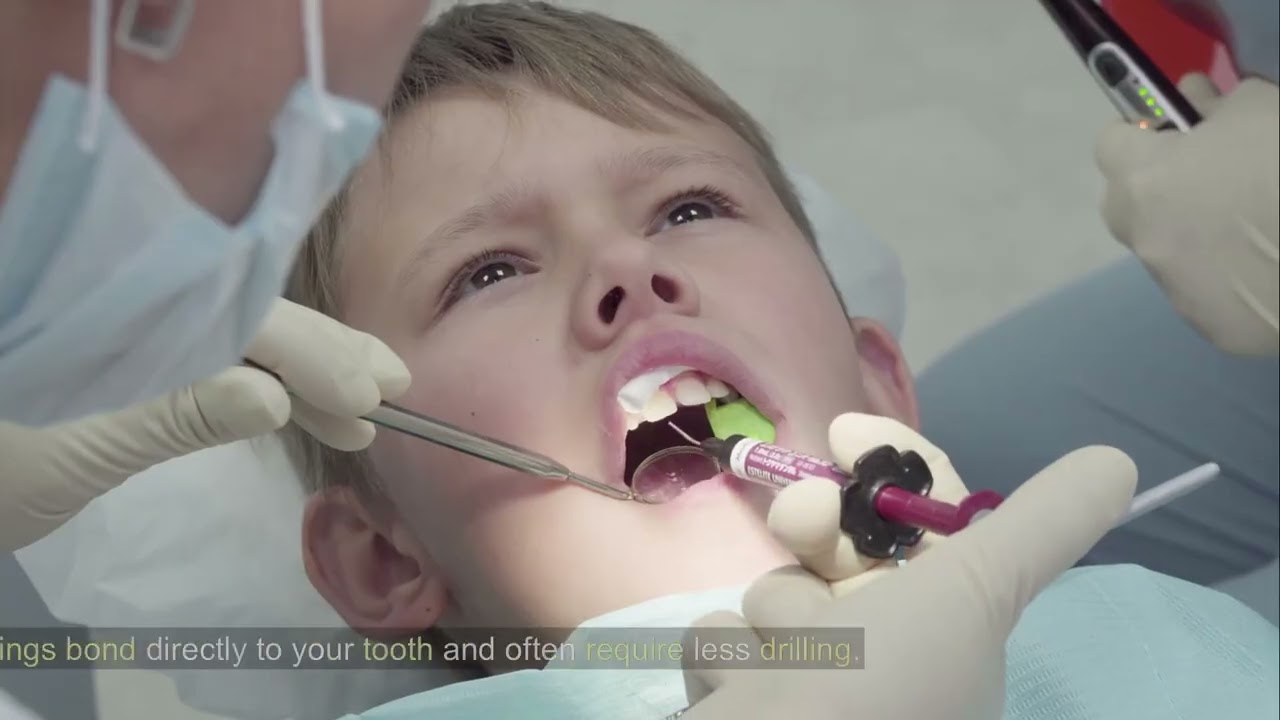
Metal-free crowns and mercury-free fillings are tooth restoration options made entirely from biocompatible, non-metal materials such as ceramic, porcelain, or composite resin. They offer a natural appearance and eliminate exposure to metals that some patients prefer to avoid.
This guide focuses specifically on helping Vista, CA residents understand the real differences between metal and metal-free dental restorations – so you can have an informed conversation with your dentist.
If you’ve ever looked at an old silver filling in the mirror and thought, “that doesn’t look great,” you’re not alone. More patients in 2026 are asking about tooth-colored alternatives, and the options have genuinely improved. But are metal-free restorations actually better – or just more expensive? Let’s get into it.

What Metal-Free Crowns and Mercury-Free Fillings Actually Are
Metal-free crown: A dental crown made from all-ceramic, porcelain, or zirconia material with no metal substructure, designed to match your natural tooth color.
Mercury-free filling: A tooth-colored composite resin or ceramic restoration used to repair cavities without the use of dental amalgam, which traditionally contains approximately 50% mercury by weight.
Traditional amalgam fillings have been used for over 150 years. They’re durable and affordable. But the silver color stands out, and many patients have questions about the mercury content. According to the American Dental Association, amalgam is considered safe for most patients, though alternatives are now widely available and clinically proven.
At North County Dental Care in Vista, CA, patients regularly ask which option is right for their situation. Here’s an honest breakdown.
Metal-Free Crowns vs. Traditional Metal Crowns: Which Approach Works?
Where metal-free crowns succeed: They blend with your natural teeth, contain no metals, work well for front teeth and visible areas, and are a strong choice for patients with metal sensitivities or preferences for biocompatible materials.
Where metal-free crowns fall short: All-ceramic crowns can chip under extreme biting pressure and may not be the top choice for heavy grinders or back molars in every case. They also tend to cost more upfront than metal alternatives.
Where traditional metal crowns succeed: Gold and porcelain-fused-to-metal (PFM) crowns are extremely durable, particularly for posterior teeth. They’ve been clinically reliable for decades and are often covered more broadly by insurance plans.
Where traditional metal crowns fall short: The metallic appearance is visible, especially on front teeth. PFM crowns can show a dark line at the gum over time. Some patients report sensitivity to certain metals.
The verdict: For most visible teeth, metal-free ceramic or zirconia crowns are the stronger choice in 2026 thanks to improved durability. For back molars under heavy stress, discuss material options directly with your dentist – zirconia crowns now handle posterior use well in most cases.
| Option | Typical Cost Range (2026) | Longevity | Best For |
|---|---|---|---|
| All-Ceramic Crown | $1,000 – $1,800 | 10-15 years | Front teeth, aesthetics |
| Zirconia Crown | $1,200 – $2,000 | 15-20+ years | Front and back teeth |
| PFM Crown | $800 – $1,500 | 10-15 years | Back teeth, budget-conscious |
| Gold Crown | $900 – $2,500 | 20+ years | Back teeth, heavy grinders |
Cost ranges reflect general U.S. industry averages as of 2026. Your out-of-pocket cost will vary based on insurance coverage and individual treatment needs.
Thinking about crowns or fillings for your specific situation? Let’s talk. We’ll walk you through your options – no pressure. Reach out to our Vista office here.
The Mercury Question: What the Evidence Actually Says
The concern about mercury in amalgam fillings is understandable. Here’s what current research shows.
According to the National Institute of Dental and Craniofacial Research, the mercury in amalgam forms a stable alloy. Studies have not shown amalgam fillings to cause harm in the general population. That said, regulatory guidance continues to evolve, and certain patient groups may be advised to discuss amalgam alternatives with their dental provider.
For most healthy adults, the choice between amalgam and composite comes down to aesthetics and personal preference, not safety alone. Composite resin fillings bond directly to the tooth, sometimes requiring less drilling. They look natural. And they’ve improved significantly in strength over the past decade.
Composite fillings have become increasingly competitive with amalgam in terms of durability, and the gap has continued to narrow with modern bonding techniques.
Your Metal-Free Restoration Action Plan
- Step 1 – Assess your current restorations: Ask your dentist to review any existing metal fillings or older crowns at your next visit. Not all need to be replaced – only those that are worn, cracked, or causing issues.
- Step 2 – Discuss material options: Ask specifically about composite resin, ceramic, and zirconia. Each has different strength profiles and cost ranges worth understanding before you decide.
- Step 3 – Review your insurance coverage: Dental plan coverage for composite fillings varies depending on tooth location and your specific plan. Get a pre-treatment estimate so you understand your out-of-pocket costs before proceeding.
- Step 4 – Consider your bite habits: If you grind your teeth (bruxism), zirconia is generally recommended over all-ceramic. Mention grinding or clenching habits to your dentist before choosing a material.
- Step 5 – Schedule and proceed with confidence: Metal-free restorations are placed in a single appointment for fillings and typically one to two appointments for crowns, depending on whether CAD/CAM same-day technology is available.
Pre-Appointment Checklist
- ☐ List any known metal sensitivities or allergies
- ☐ Bring your dental insurance card for a benefits review
- ☐ Note any teeth that feel sensitive or look discolored
- ☐ Be ready to discuss grinding or clenching habits
- ☐ Ask about same-day crown options if scheduling is a concern
Who We Serve in the Vista Area
North County Dental Care welcomes patients from Vista, Oceanside, Carlsbad, San Marcos, Escondido, Encinitas, and the greater San Diego County area. If you’re near the 78 corridor or anywhere in North County, our office at 1000 East Vista Way is easy to reach. Check our FAQ page for common questions about first visits, insurance, and what to expect.
Key Takeaways for Vista Patients in 2026
- Metal-free restorations have improved dramatically – zirconia crowns now handle back teeth just as well as front teeth for most patients.
- Mercury-free composites are a clinically sound choice – durability has improved and the aesthetic benefit is significant.
- Dental guidance continues to evolve regarding amalgam use, and certain patient groups are encouraged to discuss amalgam-free options with their provider.
- Cost differences are real but manageable – many insurance plans cover composite fillings fully, and zirconia crowns are increasingly included in standard coverage.
- The most common mistake is replacing amalgam fillings that don’t need to be replaced. Only swap them when they’re worn, failing, or you have a documented sensitivity.
Frequently Asked Questions
Are metal-free crowns as strong as metal crowns?
Zirconia crowns are comparable in strength to many metal options and are now used successfully on back molars. All-ceramic crowns are slightly more prone to chipping under extreme pressure, which is why material choice should factor in where the crown sits and how hard you bite.
How much do mercury-free fillings cost without insurance?
Composite resin fillings typically range from $150 to $300 per tooth nationally (2026). Amalgam fillings generally run $75 to $150. Your total out-of-pocket cost depends on tooth location, cavity size, and your insurance plan.
Is it safe to remove old amalgam fillings?
Removing intact amalgam fillings that are functioning well is generally not recommended unless there’s a clinical reason. Drilling out amalgam actually releases more mercury vapor temporarily than leaving it in place. Talk to your dentist about timing if replacement is needed.
How long do tooth-colored fillings last?
With good oral hygiene, composite fillings typically last 7-10 years. Longevity improves when you avoid biting hard objects, maintain regular cleanings, and address grinding habits early.
Does dental insurance cover metal-free options?
Coverage varies widely depending on your plan and the location of the tooth being treated. Always request a pre-treatment estimate from your dental office so you have a clear picture of your expected costs before moving forward.
Do metal-free fillings or crowns require special care?
No special care is required beyond standard oral hygiene – brushing twice daily, flossing, and regular professional cleanings. Avoiding biting ice, hard candy, or other very hard objects will extend the life of any restoration, metal-free or otherwise.
Your Next Step
If you’re weighing metal-free options or have older restorations you’d like reviewed, the right move is a straightforward conversation with a dentist who can look at your actual situation. Ready to get clear answers? Contact North County Dental Care today and schedule a time that works for you. We’re here to give you honest information – not a sales pitch – so you can make the best decision for your smile.
Recent Comments